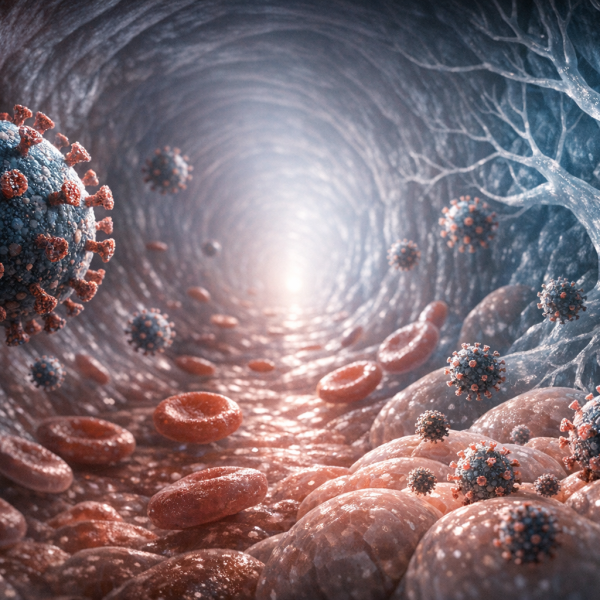
Every autumn the shelves fill with pills that promise to armor your body against whatever is going around. The marketing is confident, the bottles are bright, and the claims are enormous. The honest story about vitamins for your immune system is quieter than any label. A handful of nutrients genuinely matter. Most of the rest only help if you were short on them to begin with. Telling the useful from the overhyped is worth a few minutes, because both your money and your health ride on the difference.
How your immune system actually uses nutrients
Your immune system is not a single organ you can top up like a fuel tank. It is a network of cells, tissues and chemical signals that patrol the body and react when something looks wrong. That network runs on raw materials, and several vitamins and minerals are built into the machinery. When you are genuinely deficient in one of them, your defenses weaken in ways doctors can measure. When you already have enough, swallowing more rarely adds a second layer of protection. The immune system involves so many moving parts that no single pill could realistically switch all of them into a higher gear at once.
The vitamins for immune system support that carry real evidence
Three names come up again and again, and they earn the attention. Vitamin C supports the normal work of immune cells, and a real shortfall leaves you more vulnerable, though megadoses in already healthy people mostly pass straight through you. Vitamin D is the one many people in northern climates actually run low on, especially through the darker months, and low levels are linked to more frequent respiratory infections. Zinc is involved in how immune cells grow and talk to each other, and it is one of the few supplements with decent evidence for shortening a cold when it is taken early. If you are hunting for the best vitamins for immune system health, that short list is where the science is strongest.
Food first, then immune system supplements
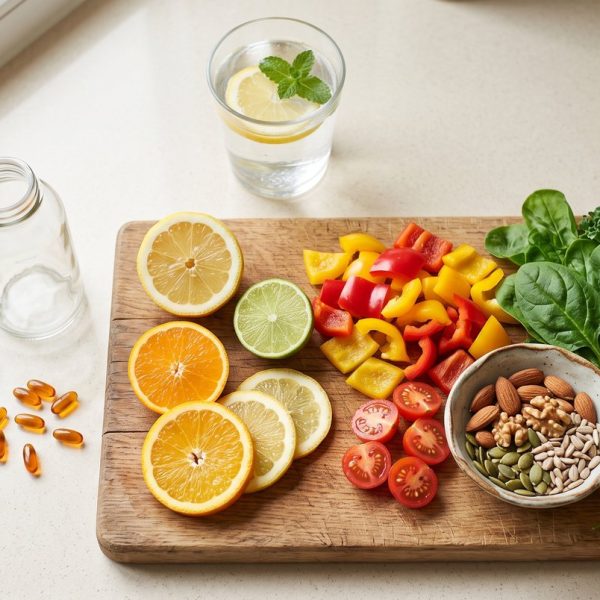
Here is the part the labels tend to skip. For most people eating a varied diet, the best vitamins for immune system function arrive on a plate rather than in a capsule. Citrus, peppers and leafy greens cover vitamin C. Oily fish, eggs and fortified foods contribute vitamin D, and summer sunlight does much of the rest. Zinc turns up in meat, shellfish, beans and seeds. Immune system supplements make real sense in specific situations, such as a confirmed vitamin D deficiency, a very restrictive diet, pregnancy, older age, or a condition that affects how you absorb nutrients. Outside those cases, an expensive stack of immune system booster vitamins is often solving a problem you do not have. Harvard Health makes the same point in plain language in its guide to how to boost your immune system.
Can you actually take too much?
Yes, and this is where the more is better instinct backfires. Fat soluble vitamins like D build up in the body, and very high doses over time can cause real harm rather than extra protection. Too much zinc can interfere with how you absorb copper and, ironically, blunt the same immune response you were trying to support. Water soluble vitamins are more forgiving, but even there the surplus is mostly money you flush away. Sensible amounts, matched to a genuine need, beat heroic doses every time.
The habits that beat any pill
No vitamin undoes a bad week of sleep. The unglamorous inputs shape immune function more than any bottle: seven to eight hours of rest, regular movement, not smoking, drinking in moderation and keeping a lid on chronic stress. Your gut deserves a place in that list too, because a large share of immune tissue lines the digestive tract and the bacteria living there help train it. A diet rich in fiber and fermented foods for gut health does quiet, steady work that no single nutrient can copy. And if you ever share medical records across borders or with a specialist abroad, careful certified medical translation matters as much as the advice itself, since a misread dosage helps nobody.
Most vitamin advice fails because it answers a general question when the reader has a very specific one about their own situation. Technical instructions fail in exactly the same way, offering background where a person wants the next step. A guide to how to activate esim on iphone is useful only if it opens with the sequence of taps rather than an explanation of what an eSIM is.
Supplement marketing thrives on the gap between what is measured and what is claimed, particularly around nutrition. Diet quality is largely a function of income. Studies of what are remittances spent on consistently find food and medicine at the top, which says something about where the real constraint sits.
How to spend wisely
So where does this leave you, standing in the vitamin aisle with a basket in hand? Start by asking whether you are actually likely to be deficient, based on your diet, where you live and your age. Get your vitamin D checked if your winters are long and grey. Keep zinc for the first hours of a cold rather than as a lifelong daily ritual. And treat any product that promises to supercharge your defenses with polite suspicion, because the immune system does not respond to hype. The best vitamins for immune system support are simply the ones that fill a genuine gap, taken in reasonable amounts, next to the boring habits that quietly do most of the work.
This article is general information, not medical advice. If you have a health condition, take regular medication, or are considering supplements during pregnancy, speak with a doctor or pharmacist before making changes.